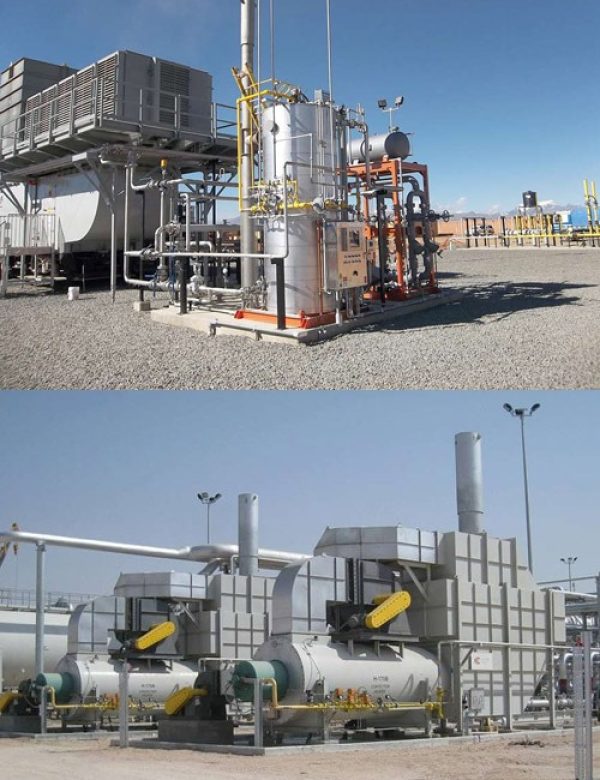
Process heat solutions involve industrial technologies for transferring energy to materials via conduction, convection, or radiation, crucial for manufacturing, curing, drying, and, melting in sectors like chemicals, food, and oil & gas. Common solutions include thermal fluid systems, electric heaters, steam boilers, waste heat recovery units (WHRUs), and biomass-fueled systems.
Key Process Heating Solutions
- Thermal Fluid Systems: These systems circulate specialized thermal oil or glycol, offering precise, high-temperature heating (up to for water-glycol, much higher for oils/salts) without high-pressure hazards.
- Electric Process Heating: Utilizes direct/indirect methods, such as immersion and circulation heaters, to convert electrical energy into thermal energy, which is ideal for cleaner, high-efficiency, and localized heating applications.
- Steam-Based Systems: Common in manufacturing, these systems use boilers to inject steam directly or indirectly into processes.
- Waste Heat Recovery Units (WHRUs): These systems capture heat from exhaust gases and hot discharges from turbines or incinerators, improving overall energy efficiency.
- Direct Fired Heaters: Systems designed for direct heating, including API 560 compliant, convection-only, and radiant-convection designs.
- Hybrid Systems: A combination of different energy sources (e.g., electric and fuel-based) to optimize efficiency and production rates.